
Gratitude as a Spiritual Practice
Gratitude is more than good manners or positive thinking — it is a discipline that retrains how we see God and our lives.
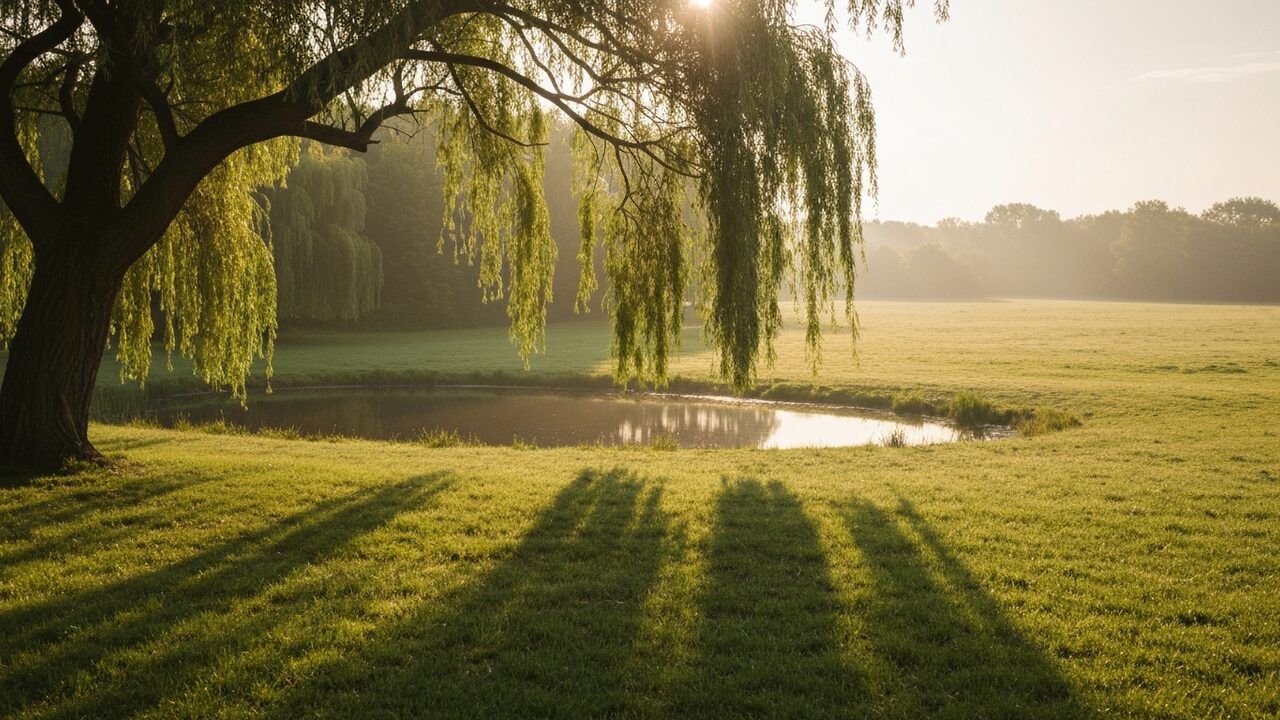
We often talk about gratitude as a feeling, a spontaneous rush of warmth in response to a kind gesture, a beautiful sunset, or an unexpected blessing. And indeed, it is that – a delightful, natural human emotion. But to truly unlock its transformative power, particularly within our spiritual lives, we need to understand gratitude as something far deeper: a deliberate, cultivated practice. It’s the difference between occasionally stumbling upon a beautiful view and intentionally hiking a challenging path to reach a magnificent vista. One is serendipitous; the other is a discipline that shapes us along the way.
The Journey from Feeling to Practice
The journey begins when we move beyond the fleeting emotion. A feeling of gratitude might arise when things are going well, when prayers are answered exactly as we hoped, or when life feels abundant. This is wonderful, a gift in itself. But what happens when the feeling isn't there? When life is hard, when prayers seem to go unanswered, or when abundance feels distant? If gratitude is only a feeling, it becomes conditional, dependent on our circumstances.
A spiritual practice of gratitude, however, is an act of the will. It’s a conscious decision to give thanks, not just for what we have, but in whatever circumstances we find ourselves. It’s a recognition that even in the midst of struggle, there are threads of grace, moments of beauty, and the unwavering presence of God. This active posture of thanksgiving isn't about ignoring pain or pretending everything is fine; it's about choosing where to direct our focus, intentionally seeking out the light even when shadows are long. It trains our hearts to remember the Giver, regardless of the gift.
The Synergy of Science and Spirit
It’s fascinating how modern understanding often affirms ancient spiritual wisdom. While we avoid inventing studies or statistics, a general understanding has emerged in recent times: cultivating gratitude is beneficial for our overall well-being. People who practice gratitude often report lower stress levels, improved relationships, better sleep, and a more positive outlook on life. It appears that God designed us in such a way that practices like gratitude don't just align us spiritually; they also contribute to our mental, emotional, and even physical health.
From a spiritual perspective, this makes perfect sense. We are called to live lives of thanksgiving, to praise God in all things. When we intentionally practice gratitude, we are aligning ourselves with His will and the very fabric of His creation. It's a way of acknowledging His sovereignty and goodness, not just in grand gestures, but in the mundane details of daily existence. This isn't merely a psychological trick; it's a spiritual discipline that deepens our faith, recalibrates our perspective, and draws us closer to the source of all blessings. It’s an act of worship that benefits us profoundly even as it honors Him.
Beyond the General: The Power of Specificity
Often, when prompted to be grateful, we might offer broad statements: "I'm thankful for my family," or "I'm thankful for my health." These are true and good sentiments. However, to truly cultivate a deep practice of gratitude, we need to move from the general to the specific.
Consider the difference between saying, "I'm thankful for nature," and saying, "I'm thankful for the way the morning light filters through the leaves outside my window, illuminating the tiny dew drops, and for the persistent song of the robin that greets the dawn." The latter requires presence, observation, and intentional reflection. It’s in these small, specific details that we begin to see the intricate, loving hand of God at work, not just in the grand design, but in the minute, everyday wonders.
Specific gratitude trains our eyes to notice what we might otherwise overlook. It helps us avoid taking things for granted and fosters a profound appreciation for the countless, often unsung, blessings that fill our lives. When we pinpoint particular moments, acts of kindness, or aspects of creation, our hearts become more attuned to the constant flow of grace.
Weaving Gratitude into Daily Life
So, how do we transform this understanding into a tangible, daily practice? It doesn't require grand gestures, but rather consistent, small acts of intentionality.
- The Gratitude Journal: Dedicate a few minutes each day to writing down 3-5 specific things you are grateful for. Don't just list them; briefly describe why. This simple act can profoundly shift your perspective over time.
- Morning or Evening Reflection: Start your day by offering specific thanks for the new day, your breath, or even a good night's sleep. End your day by reflecting on moments of grace or kindness experienced.
- Mindful Moments: Throughout your day, pause and consciously acknowledge something you appreciate – the taste of your coffee, the warmth of a jacket, a kind word from a colleague.
- Expressing Thanks: Don't just feel grateful; express it. Send a text, make a call, or write a note to someone who has blessed you. This not only reinforces your gratitude but also blesses the recipient.
- Gratitude Prayer: Before meals, expand beyond a generic blessing to specifically thank God for the food, the hands that prepared it, and the provision it represents.
The key is consistency. Like any spiritual muscle, the muscle of gratitude strengthens with regular exercise. It's not about being perfect, but about showing up daily and making the choice to see and acknowledge the good.
Gratitude in the Hard Seasons
This is perhaps the most challenging, yet ultimately the most profound, aspect of gratitude as a spiritual practice. When we are walking through valleys of grief, loss, pain, or uncertainty, the idea of gratitude can feel impossible, even insulting. It’s crucial to clarify: this is not about being grateful for the pain or hardship. It's about finding glimmers of grace in the midst of it.
In these seasons, gratitude might look different. It might be:
- Being grateful for the strength to get out of bed.
- Thanking God for the single ray of sunshine on a cloudy day.
- Appreciating the friend who simply sits with you in silence.
- Acknowledging the breath in your lungs, even when your heart aches.
- Holding onto the enduring promise of God’s presence, even when you can’t feel it.
Practicing gratitude in hard times is an act of radical faith. It doesn't negate the pain, but it provides an anchor. It reminds us that even when life feels broken, there are still pieces of beauty, still reasons to hope, and still a God who is intimately present. It helps us find courage to face another day, trusting that even in the darkness, there is something to acknowledge, something to lean into, something to give thanks for. It's a testament that our faith is not contingent on circumstance but rooted in an unchanging God.
Gratitude, then, is far more than a fleeting emotion; it is a profound spiritual discipline. It’s a lens through which we can choose to view the world, a practice that reshapes our hearts, and a powerful way to draw closer to the Giver of all good things. As we cultivate this daily habit, we find our lives enriched, our faith deepened, and our joy sustained, even in the most challenging seasons. Let us commit to this practice, allowing it to transform not just our outlook, but our very walk with God.